


Telehealth Australia: A Practical Guide for Healthcare Professionals
29 Sep 2026
Telehealth refers to a clinician delivering care to a patient, usually via video or phone. Telehealth is now a common part of healthcare in Australia, alongside in-person care. Read this blog to learn a practical guide to telehealth in Australia for healthcare professionals.
What Is Telehealth?
Telehealth is described as the use of communication technologies to provide real-time consultation by video or telephone.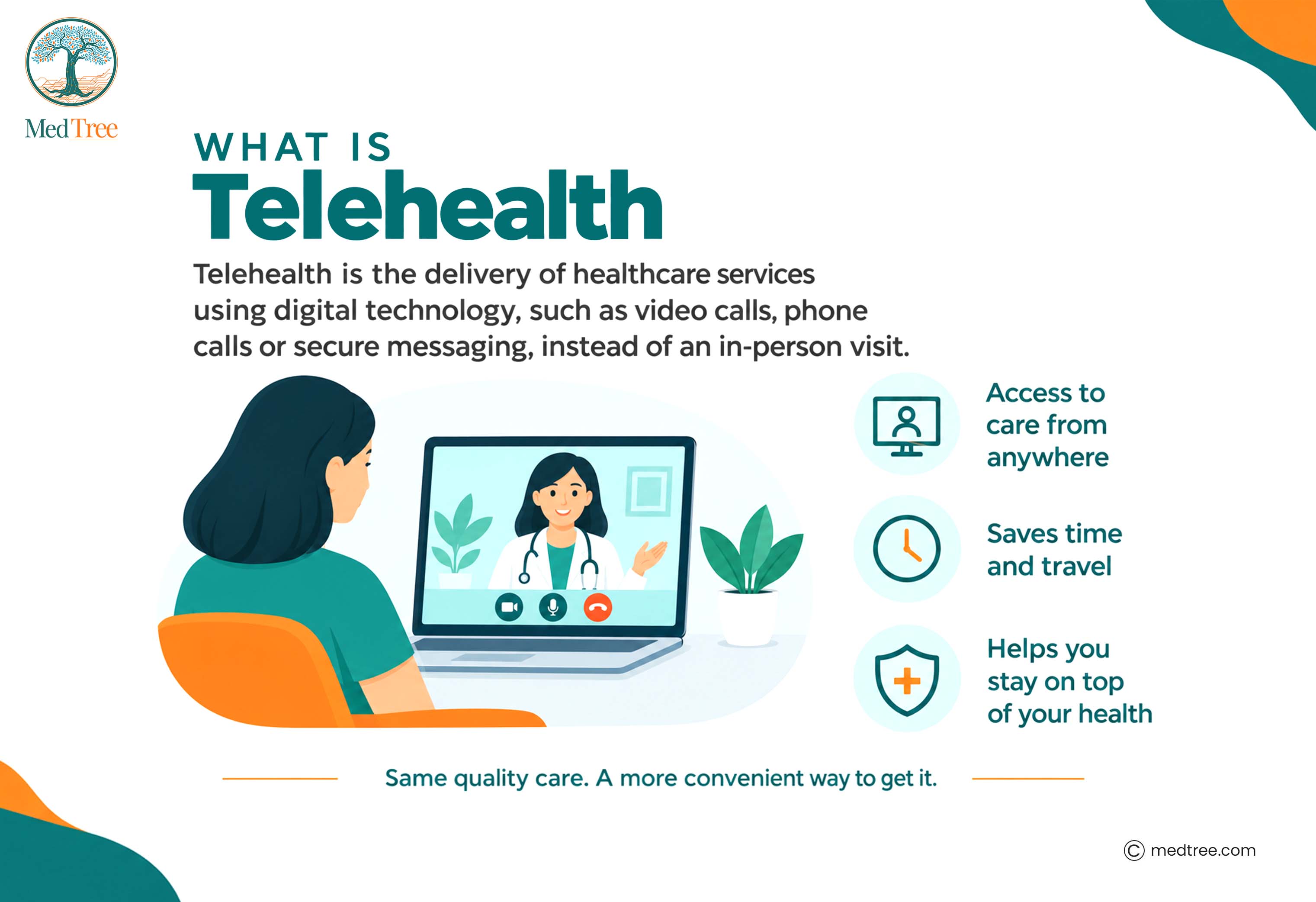
Video consultations can provide visual information that is not available during a telephone consultation. The appropriate modality depends on the patient's circumstances and the clinical situation.
What is virtual care?
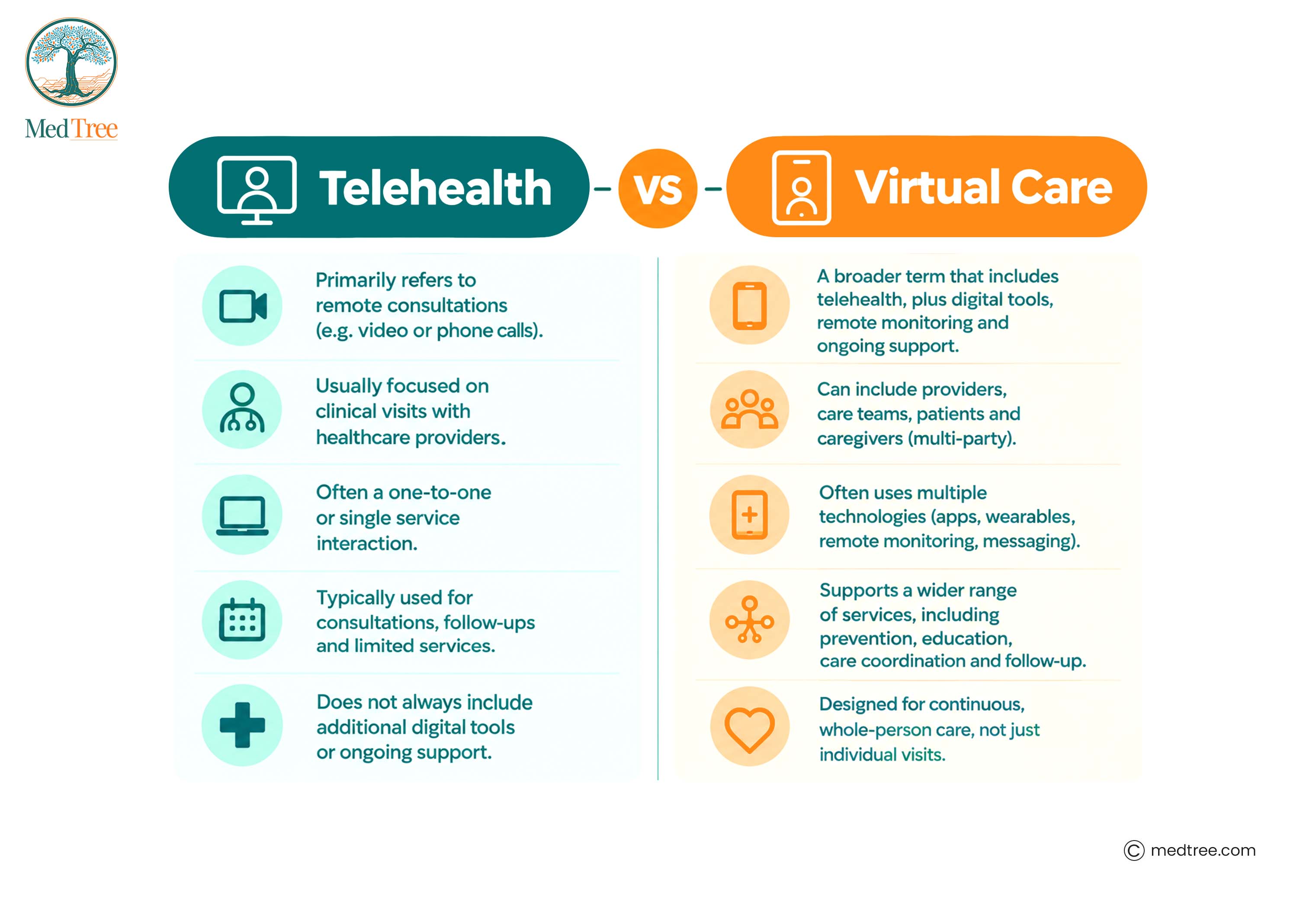
Compared to telehealth, virtual care is a broader term. Including telehealth, it can also cover remote monitoring, secure messaging and digital follow-up. A virtual care service may combine several of these. These forms are not equivalent. Real-time consultation does not include email or online questionnaires and assessment by text.
How does telehealth work?
Telehealth follows a simple pattern:
- The patient books and you confirm their identity and location.
- You take a history and assess remotely.
- You agree on a plan, document it and arrange follow-up.
The duty of care is the same as in person. It is important to note that remote care will not suit every clinical situation.
Regulatory and Professional Obligations
Every doctor needs to follow the Medical Board of Australia's telehealth guidelines as they are applied to them. Ahpra also issued updated telehealth and virtual care guidance in October 2025 for practitioners across the National Boards. Together, the Ahpra telehealth guidelines and Board guidance confirm that you are responsible for the care you provide, not your employer.
However, requirements differ by profession. Before starting telehealth and virtual care, check your National Board, your college or association, and your indemnity insurer. Always check official Australian guidance because it is authoritative.
Key Obligations
- Confirm the patient's identity.
- Obtain informed consent.
- Protect privacy and confidentiality.
- Use appropriate and secure technology.
- Assess whether telehealth is clinically appropriate.
- Keep clinical records accurate
- Arrange in-person care when needed
- Meet prescribing, privacy and other legal requirements.
The Medical Board does not support prescribing or providing healthcare without a real-time direct consultation. A real-time consultation may take place in person, by video or by telephone.
Choosing the Right Patients for Telehealth
The suitability of telehealth depends on multiple factors, including
- The patient's condition
- Purpose of the consultation
- Information you can gather remotely.
It also depends on whether you need to examine the patient, on patient preference and circumstances, and on clinical risk.
Telehealth may suit:
- Medication or treatment follow-up
- Mental health follow-up
- Chronic disease review
- Selected dermatology reviews
- Results review, where clinically appropriate
Arrange an in-person assessment when there is:
- A need for physical examination
- An urgent or emergency presentation
- Clinical uncertainty
- Inadequate information through a remote consultation
- A procedure or assessment that cannot be done safely remotely
Telehealth doctors can work within a hybrid model. The Board describes a mix of in-person and telehealth care as supporting ongoing high-quality care. It does not discourage one-off telehealth consultations. Whether you work in a traditional telehealth clinic in Australia or a standalone virtual service, the same clinical judgement applies.
Consent, Privacy, and Practical Workflow
Informed consent means the patient understands what they are agreeing to. For example, the patient must be aware of:
- What the telehealth consultation involves.
- Its limitations.
- Privacy considerations, including any recording or AI scribe use.
- Alternatives, such as an in-person visit.
- That an in-person consultation may become necessary.
- Any costs or billing arrangements.
Example consent script (adapt as needed; not an official legal or regulatory statement):
“This appointment is by video. I can't examine you physically, so I may ask you to see someone in person. Please tell me if anyone else is in the room. Our records are kept confidential. Fees are [X]. Are you happy to go ahead?”
Practical checklist of Telehealth
- Use a private space.
- Use a secure platform.
- Verify patient identity.
- Ask who else is present.
- Check interpreter or accessibility needs.
- Agree on a backup plan, such as a phone call, if the technology fails.
How to use telehealth: Before → During → After
- Before: First, test the platform. Confirm the patient's location and contact number. Check that the appointment suits telehealth.
- During: Confirm identity, seek consent and take your history. Assess what you can remotely. State clearly if the consultation is insufficient.
- After: Document, send prescriptions or referrals, and book follow-up.
Good telehealth services make each step easy for the patient and the clinician.
Medicare, Costs, and Telehealth Service Models
Medicare and telehealth interact through the Medicare Benefits Schedule (MBS). Telehealth Medicare benefits apply only when the relevant item requirements are met. Eligibility and claiming rules vary by profession, item and patient circumstances.
In general practice, many items require an established clinical relationship, with limited exemptions. These rules have changed over time. Always check current Services Australia and MBS Online information before you claim.Telehealth arrangements also differ between individual practitioners, medical practices, allied health providers and dedicated telehealth services. Fees, bulk-billing and referral pathways vary. Searching for the best telehealth in Australia will not give you an objective answer. Rankings are usually marketing.
A better approach is to assess the best telehealth service in Australia for your own setting, using these questions:
- Security and privacy: How is data stored and protected?
- Reliability: How stable is the connection?
- Ease of use: Can patients join without difficulty?
- Accessibility: Does it support interpreters and different devices?
- Workflow: Does it integrate with your practice management and medical record systems?
- Documentation: Can you record consultations properly?
- Support and cost: Is technical help available, and what will it cost?
The Australian Digital Health Agency and OAIC provide information on privacy and digital health.
Documentation and Follow-Up
You need to record the same details as you would for an in-person visit, plus the telehealth context:
- Date and modality (video or phone).
- How you confirm patient identity.
- History and assessment.
- Limits of the remote assessment.
- Clinical management.
- Prescriptions issued.
- Referrals and investigations.
- Follow-up arrangements.
- Any technical problems that affected the consultation.
Key Takeaways: Australian Telehealth Checklist
- Verify the patient's identity before you start.
- Confirm telehealth is clinically suitable.
- Obtain the patient's informed consent.
- Protect patients' privacy in every consultation.
- Always use secure and appropriate technology.
- Conduct and document the consultation properly.
- Arrange face-to-face care whenever needed.
- Check current Medicare and MBS requirements before claiming.
Telehealth Australia works best when telehealth services and virtual care support each other instead of replacing in-person care.
This blog content is for educational purposes and does not replace official regulatory or legal advice.
Blog References:
- Medical Board of Australia: Telehealth consultations with patients
- Ahpra: Patient safety paramount in updated telehealth guidance
- MBS Online: Telehealth Established Clinical Relationship Criteria