


Overweight and Obesity Rates in Australia
22 May 2026
Australia is one of the most health-conscious nations in the world. But still, it faces one of the highest obesity rates among developed countries. Whether you're trying to understand the statistics about obesity in Australia, researching weight loss options, or simply want to make better choices for yourself or your family, this blog covers everything clearly and honestly.
The Current Situation of Obesity in Australia
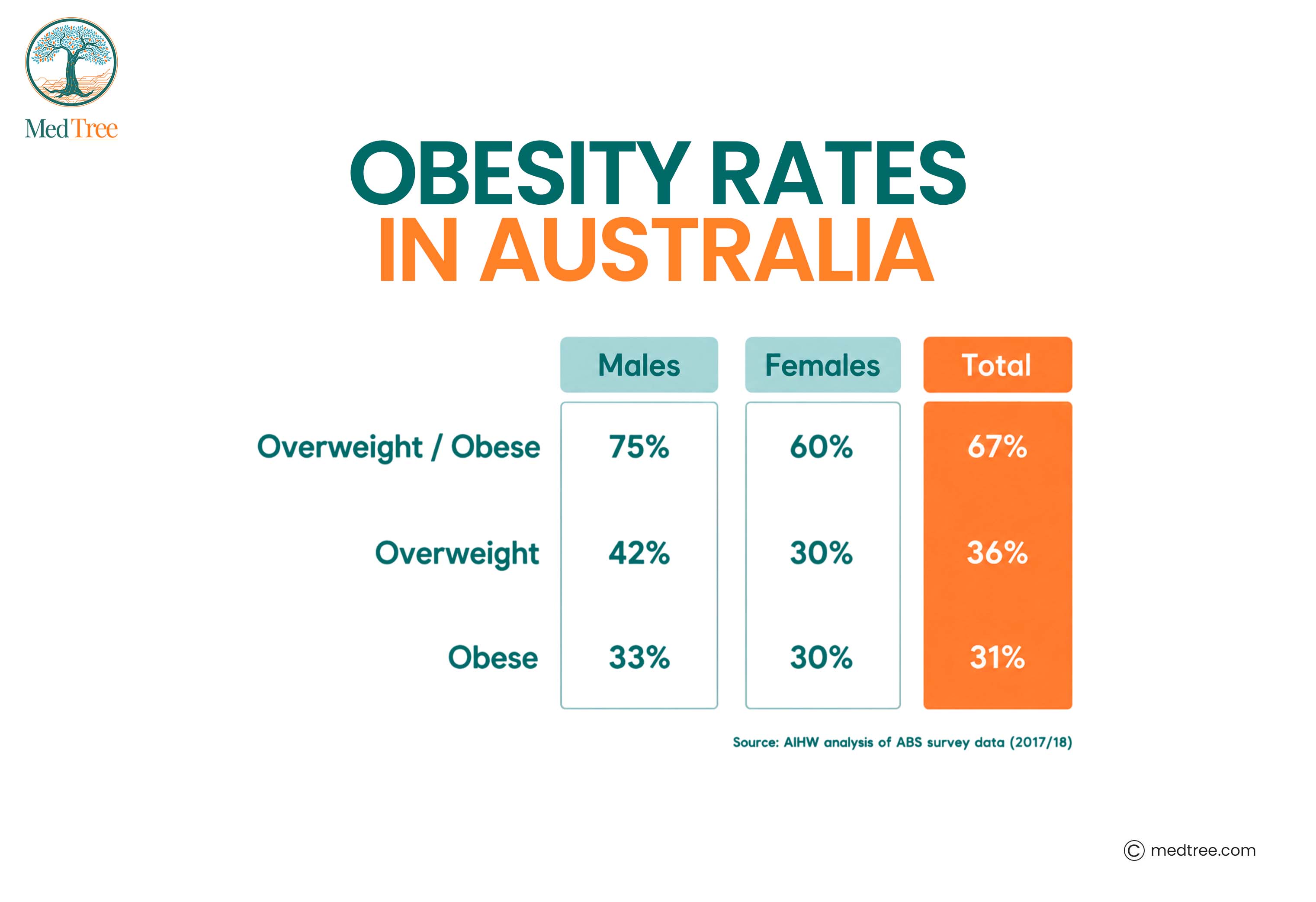
The obesity rate in Australia has been climbing steadily over the past three decades. According to the Australian Institute of Health and Welfare (AIHW), approximately 67% of Australian adults are either overweight or obese. That means two in every three adults carry more body weight than is considered healthy.
When we look at the rate of obesity in Australia specifically (excluding those who are merely overweight), around 31% of adults fall into the obese category. That’s why Australia ranks among the OECD countries with the highest rates of overweight and obesity.
Men vs. Women: Who Is More Affected?
Men's obesity figures in Australia are notably higher than those for women. Around 7 in 10 Australian men and 6 in 10 women are overweight or obese. The average weight of an Australian adult male is approximately 87 kg. However, for women, it sits around 71 kg. Both the number of men and women is significantly higher than they were 20 years ago.
The Growing Issue of Childhood Obesity in Australia
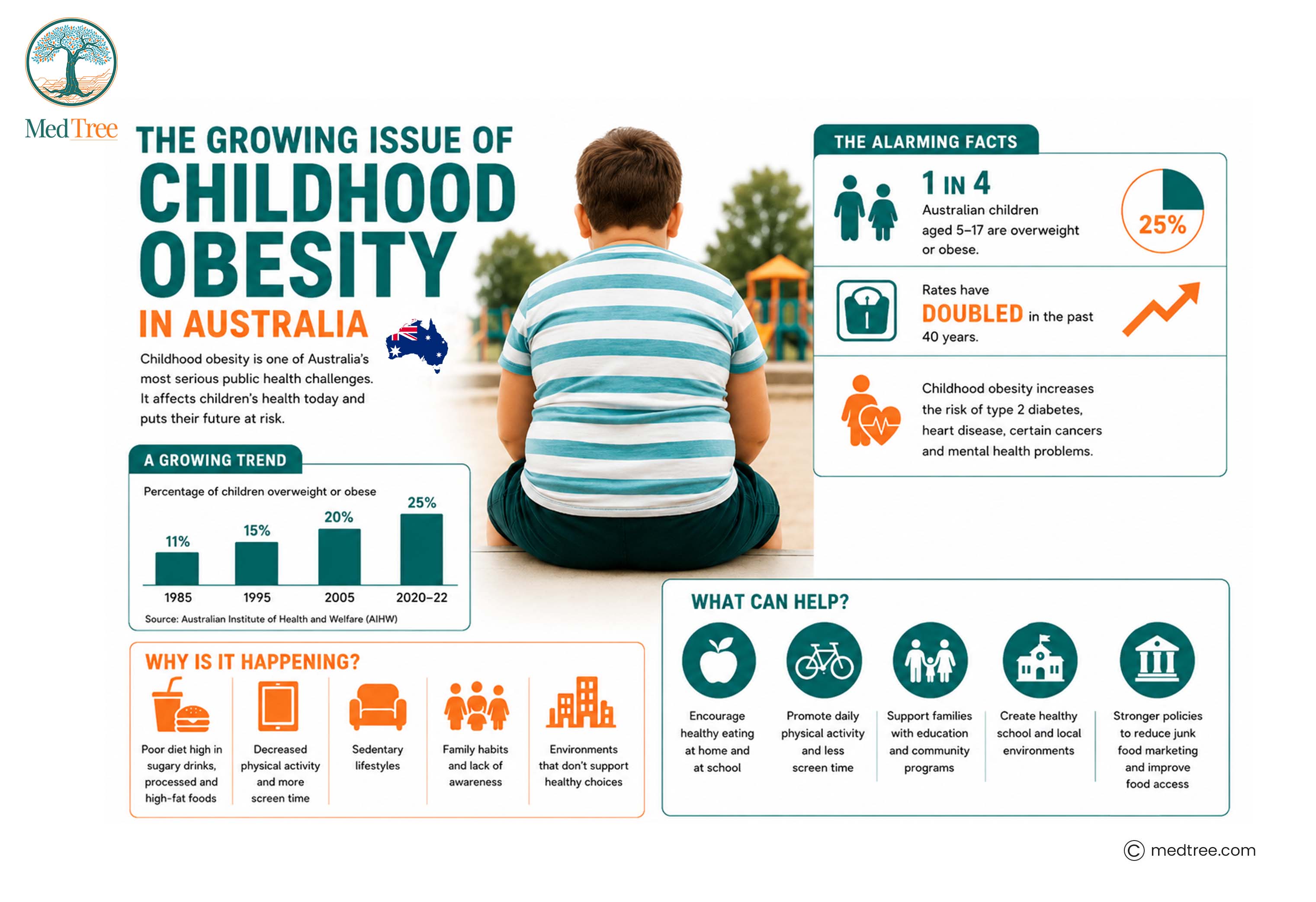
Obesity is not just in adults. Childhood obesity in Australia affects roughly one in four children aged 5 to 17. This is deeply concerning because children who carry excess weight are more likely to become obese adults, which increases their risk of diabetes, heart disease, and mental health challenges early in life.
The factors that contribute to obesity in children are:
- Poor dietary habits
- increased screen time
- Reduced physical activity
- Easy access to processed foods
Schools and families can play a critical role in reversing this trend.
What Is BMI and Why Does It Matter?
To understand the concept of obesity, it is important to understand the tool, BMI, that is used to measure obesity.
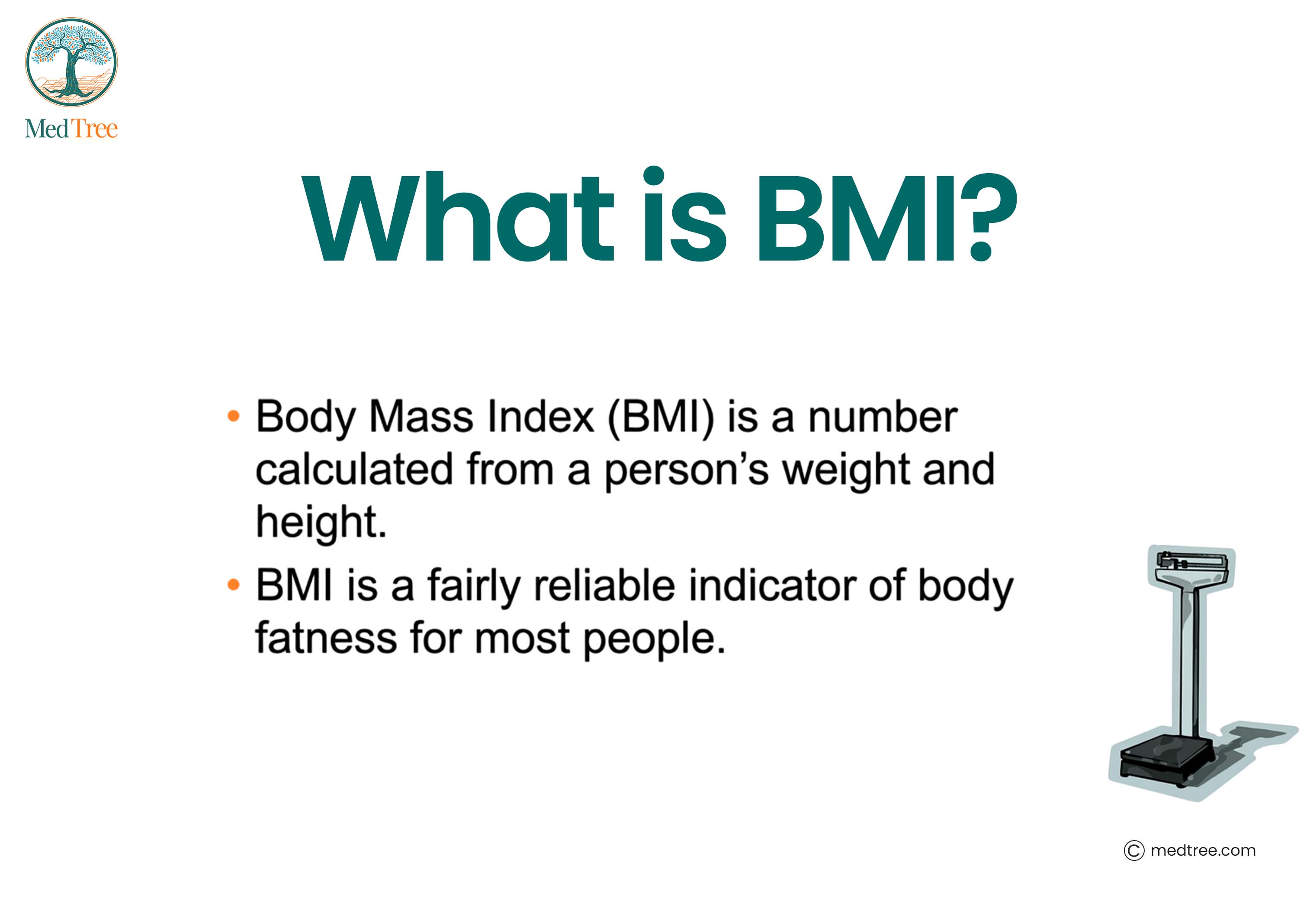
BMI stands for Body Mass Index. It's a simple calculation that uses your height and weight to estimate whether you're in a healthy weight range.
BMI Formula:
BMI = Weight (kg) ÷ Height (m²)
BMI Table Australia
|
BMI Range |
Category |
|
Below 18.5 |
Underweight |
|
18.5 – 24.9 |
Healthy Weight |
|
25.0 – 29.9 |
Overweight |
|
30.0 and above |
Obese |
BMI calculator Australia recommends that a person who is 170 cm tall and weighs 90 kg would have a BMI of around 31, placing them in the obese range.
BMI is a useful screening tool. However, it does not consider muscle mass, bone density, or body fat distribution.
For example, a highly muscular person may have a high BMI without being unhealthy. Always consult a GP for a complete picture of your health.
What Causes Obesity? Key Risk Factors
Obesity is rarely about willpower alone. It's a complex condition shaped by multiple factors that play an important role in increasing obesity. These factors are:
- Diet: High intake of ultra-processed foods, sugary drinks, and oversized portions
- Physical inactivity: Sedentary lifestyles, desk jobs, and reduced movement
- Genetics: Family history can increase susceptibility to weight gain
- Sleep deprivation: Lack of sleep can disrupt hunger hormones and lead to increased appetite.
- Mental health: Stress, anxiety, and depression can contribute to emotional eating habits.
- Medications: Some medications (antidepressants, corticosteroids) can cause weight gain
- Socioeconomic factors: Lower-income households often have less access to fresh, nutritious food
Health Complications of Obesity and Its Effects on the Body
Carrying excess weight puts strain on nearly every system in the body.
Does Obesity Cause Poor Blood Flow?
Yes. Obesity is directly linked to poor circulation and cardiovascular strain. Excess fat particularly around the abdomen contributes to high blood pressure, raised cholesterol, and arterial stiffness. This increases the risk of heart attack and stroke significantly.
Does Obesity Cause Changes in Hearing?
Surprisingly, yes. Research suggests obesity can affect hearing. Poor blood flow caused by excess weight can damage the tiny blood vessels in the inner ear, potentially leading to gradual hearing loss over time. This is an often-overlooked complication that deserves more awareness.
Other Serious Complications Include:
- Type 2 diabetes
- Sleep apnoea
- Joint pain and osteoarthritis
- Fatty liver disease
- Certain cancers (breast, bowel, kidney)
- Depression and low self-esteem
How Can We Prevent Obesity?
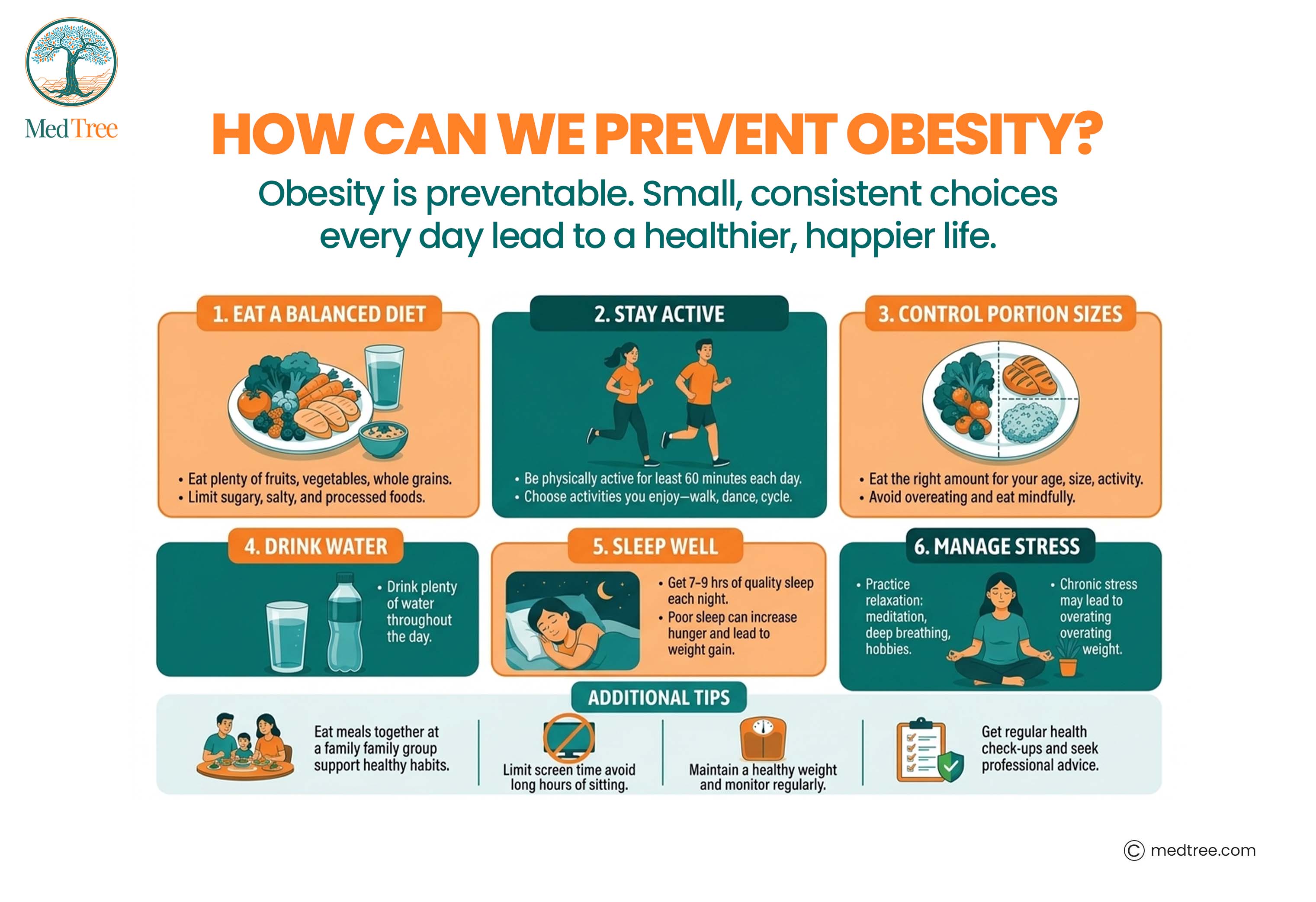
Preventing obesity is often more effective and sustainable than treating it later. Here's how individuals and communities can take action:
- Eat whole foods: Prioritise vegetables, lean proteins, whole grains, and healthy fats
- Move daily: Aim for at least 30 minutes of moderate activity most days
- Limit screen time: Both for children and adults
- Cook at home: Home-cooked meals are typically lower in calories and additives
- Sleep well: Target 7–9 hours per night
- Seek support: Speak to a GP, dietitian, or psychologist. Obesity is a medical issue, not a character flaw
Modern Medical Treatments for Obesity in Australia
For those who have tried lifestyle changes without success, medical interventions are available and increasingly effective.
Weight Loss Medication Australia
Several prescription medications are approved in Australia to assist with weight loss when combined with lifestyle changes. These are not a shortcut; they work best alongside a healthy diet and regular movement.
Weight Loss Injections Australia and Ozempic
One of the most talked-about treatments in recent years is Ozempic (semaglutide). Originally developed for Type 2 diabetes, Ozempic has become widely known for its significant weight loss effects.
How does Ozempic work?
It mimics a hormone that regulates appetite, which helps people feel fuller for longer and eat less overall.
How to Get Ozempic in Australia?
In Australia, Ozempic is a prescription-only medication. It means you need to visit your GP, who will assess your medical history and determine if it's suitable for you or not. Primarily, it is prescribed for Type 2 diabetes management. However, in certain cases, doctors may also consider it for obesity treatment.
How Much Does Ozempic Cost in Australia?
For those with Type 2 diabetes, Ozempic may be available under the Pharmaceutical Benefits Scheme (PBS), significantly reducing the cost. Without PBS support, the out-of-pocket cost can range from $130 to $400 per month, depending on the dose and supplier. Always confirm current pricing with your pharmacist.
Ozempic Side Effects
Common Ozempic side effects include nausea, vomiting, diarrhoea, and constipation, particularly when starting the medication. These often ease over time. More serious but rare side effects include pancreatitis and thyroid concerns. Discuss all risks with your doctor before starting.
A Note on Nurofen and Obesity
Is it okay to take Nurofen if you're obese?
This is a common question. Nurofen (ibuprofen) is generally safe for most people, but those with obesity may face higher risks of gastrointestinal issues, kidney strain, and interactions with blood pressure medications. If you're obese and managing other conditions, always consult your GP or pharmacist before taking anti-inflammatory medications regularly.
Frequently Asked Questions
What is the rate of obesity in Australia?
Approximately 32% of Australian adults are obese, while around 66% are overweight or obese.
What is BMI and how do I calculate it?
BMI is Body Mass Index, which is calculated by dividing your weight in kilograms by your height in metres squared. A healthy range is 18.5 to 24.9.
Can obesity affect hearing?
Yes, research indicates obesity can impair blood flow to the inner ear, potentially contributing to hearing loss over time.
Is Ozempic available in Australia without a prescription?
No, Ozempic requires a prescription from a registered Australian GP.
How can I prevent obesity in my children?
Encourage your children to do daily physical activities. And also limit processed foods and sugary drinks, reduce screen time, and model healthy eating habits at home.
Concluding Remarks
The statistics about Obesity in Australia are serious, but they don't tell the whole story. Behind every number is a real person dealing with complex health, social, and emotional challenges. However, the best thing is that obesity is preventable and manageable with the right information, support, and access to care.
Whether it's understanding your BMI, exploring weight loss medications like Ozempic, or making small daily changes to your lifestyle, every step forward matters. Talk to your GP, seek professional guidance, and remember your health journey is your own, and it's never too late to start.
This article is for informational purposes only and does not constitute medical advice. Always consult a qualified healthcare professional for personalised guidance.