


Iron Deficiency Calculator: How to Calculate It Using the Ganzoni Formula?
22 Jun 2026
If you have iron deficiency anemia, knowing how much iron your body needs is an important part of treatment. This blog explains how to calculate iron deficiency using the Ganzoni formula and an iron deficiency calculator.
What Is Iron Deficiency?
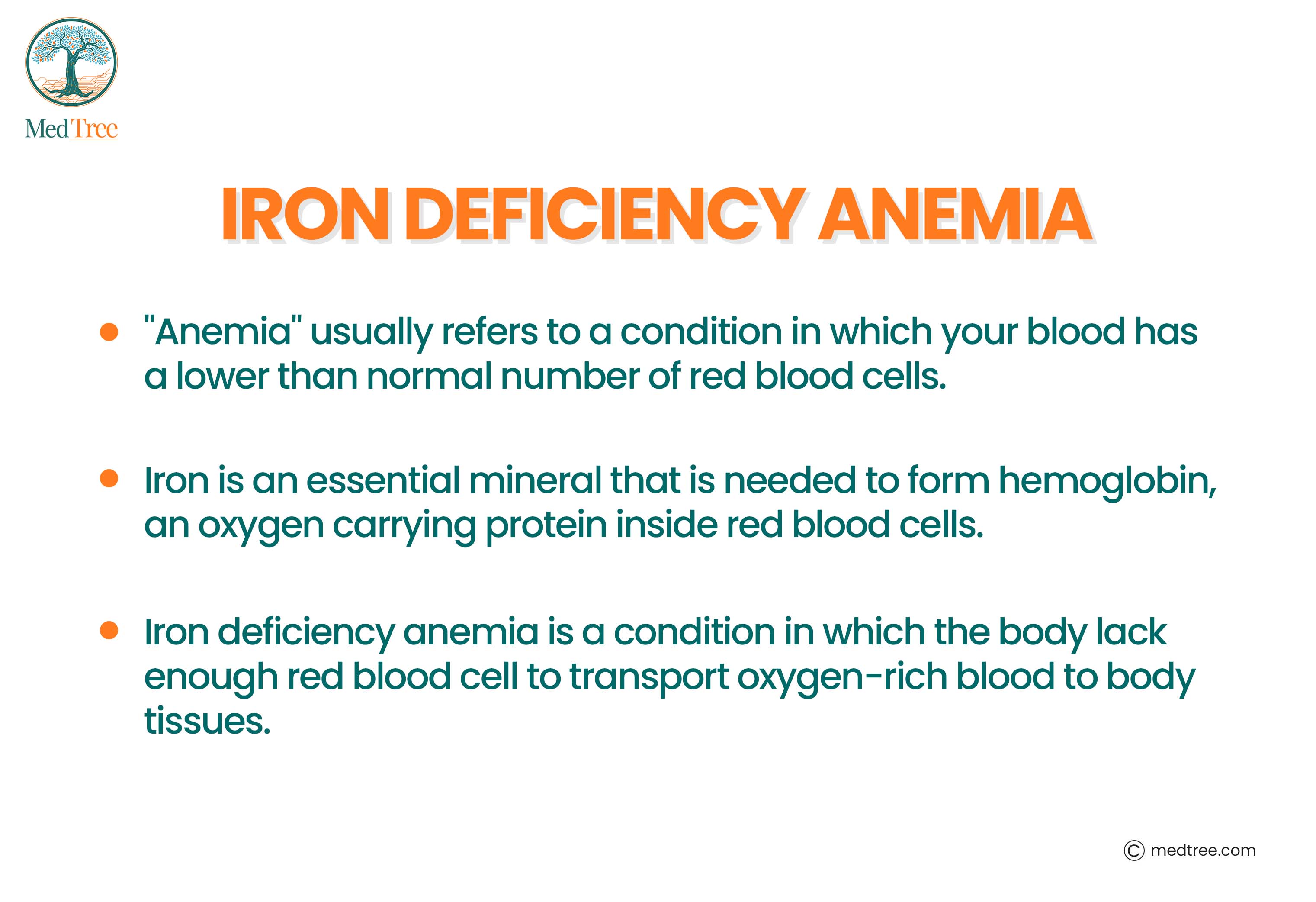
Iron deficiency occurs when our body lacks sufficient iron to produce hemoglobin, the protein in red blood cells that carries oxygen. This condition affects millions of people all over the world, ranging from mild depletion to severe iron deficiency anemia.
What are the Common Causes of iron deficiency?
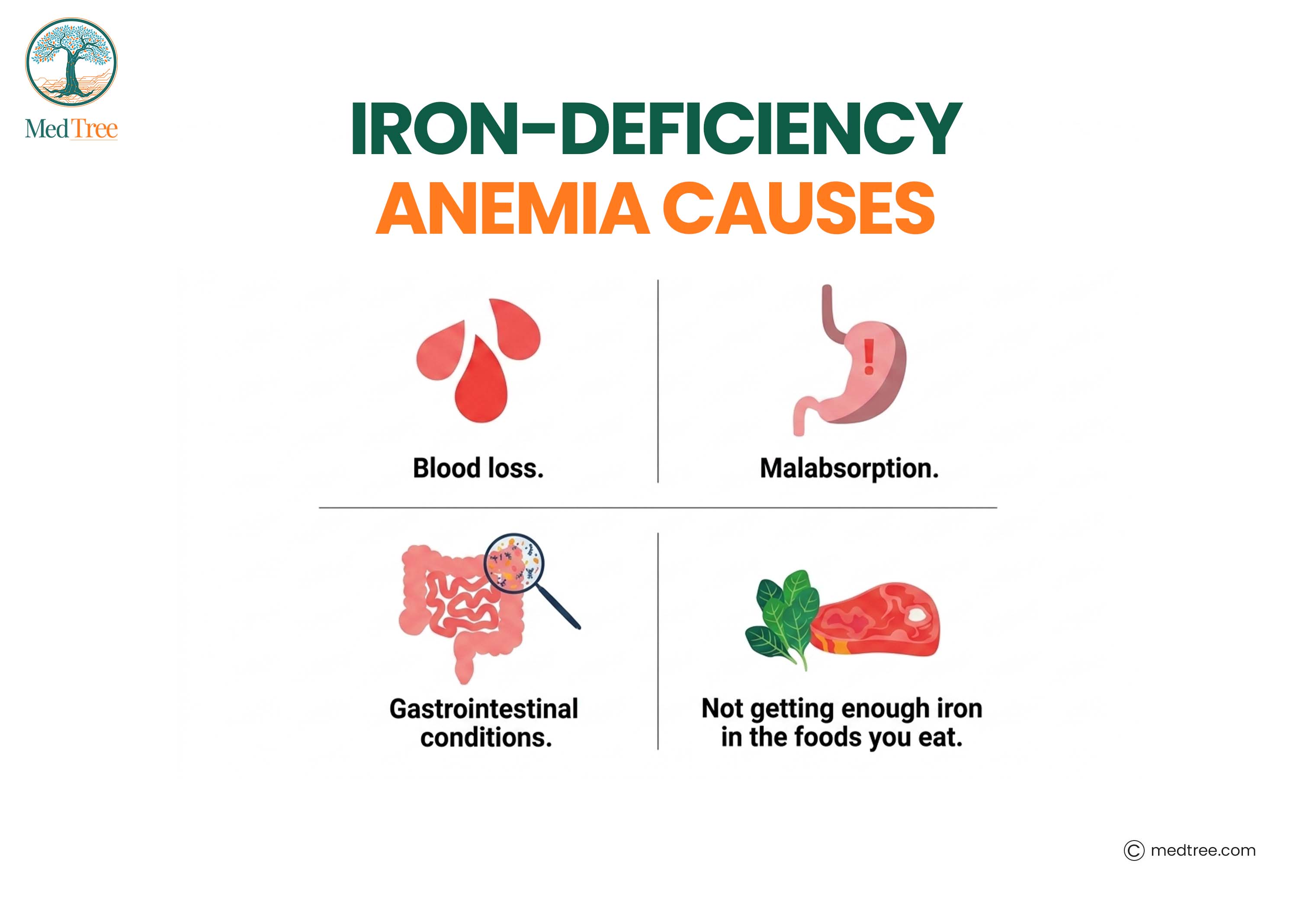
The main causes that lead to iron deficiency are:
- Chronic bleeding (Gastrointestinal tract, menstrual)
- Poor dietary intake
- Malabsorption disorders
- Pregnancy and lactation
- Blood donation
Symptoms that tell a person they have an iron deficiency
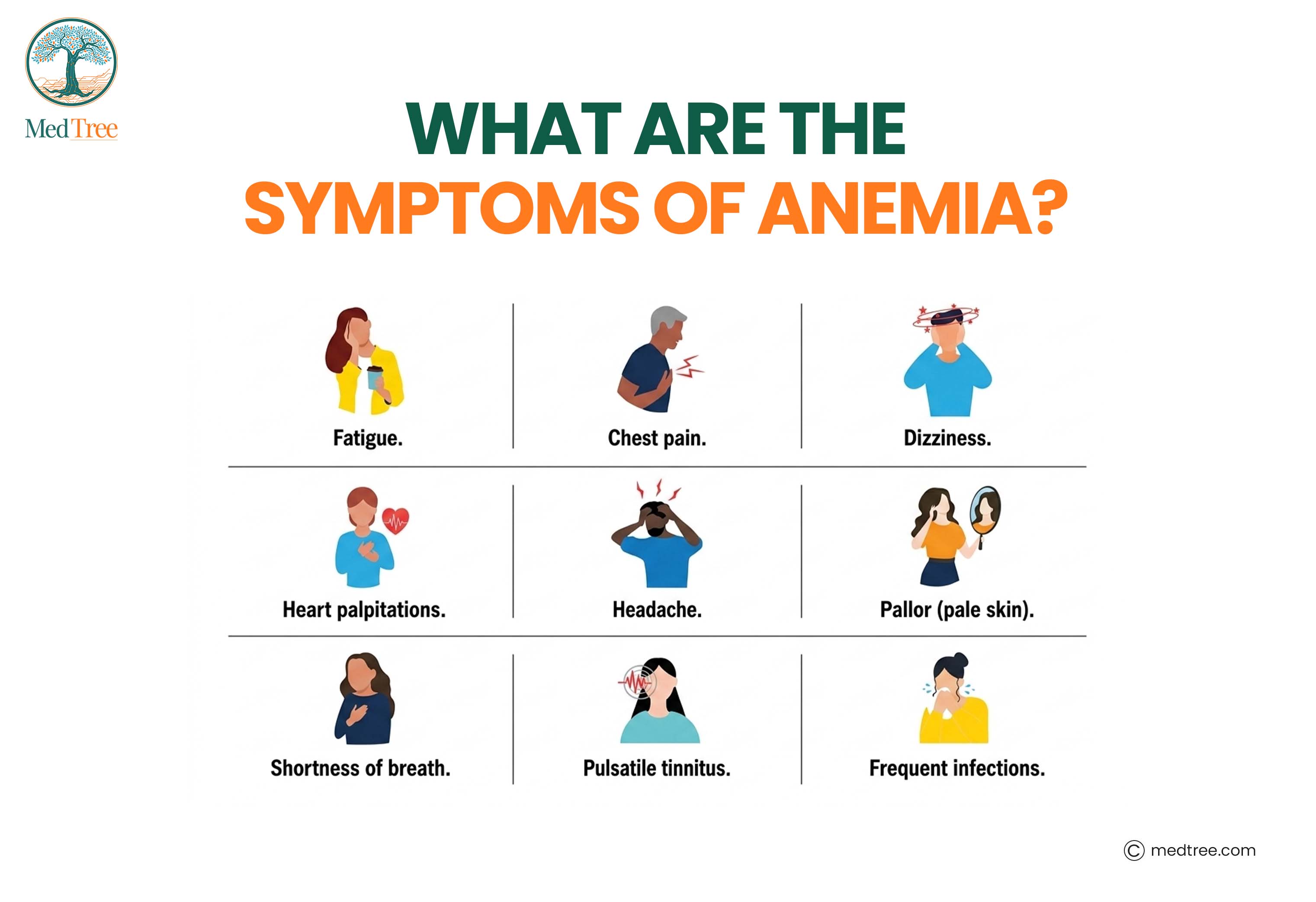
Look at these symptoms. You might be having an iron deficiency if you have any of these symptoms.
- Extreme Fatigue and weakness
- Shortness of breath
- Pale skin
- Dizziness
- Cold hands and feet
- Heart Palpitations
- Headaches
Unusual Signs of Having an Iron Deficiency
- An urge to move your legs when in bed for resting, which is known as restless leg syndrome.
- Non-food items cravings such as ice, clay, starch and dirt
- Hair falls more than normal whenever you brush your hair
- Your nails become weak, cracked and moon-shaped
- Changes in the mouth and tongue, such as a sore and swollen tongue and cracks and ulcers on the mouth
Risk factors increase with age, female reproductive status, chronic disease, and vegetarian diets lacking heme iron sources.
What Is an Iron Deficiency Calculator?
An iron deficiency calculator is a clinical tool that helps healthcare professionals and patients estimate the body's total iron deficit. It uses the Ganzoni formula to determine the amount of iron replacement therapy needed.
The Benefits of using an iron deficiency calculator include:
- Help in Precise dosing calculations
- Reduced medication errors
- Personalised treatment planning
- Better outcomes with IV or oral iron therapy
Healthcare providers, especially hematologists and general physicians, use this calculator during clinical assessment. Patients can also use simplified versions to understand their condition better.
Understanding the Ganzoni Formula
The Ganzoni formula is the gold standard for calculating iron deficiency in clinical practice. Swiss hematologist Henri Ganzoni created this equation in 1970 to bridge the gap between measured hemoglobin levels and actual iron stores.
This formula accounts for:
- Body weight variations
- The gap between the current and the target hemoglobin
- Iron is already stored in body tissues
The Ganzoni equation recognises that hemoglobin represents only part of total body iron; significant amounts are stored in the liver, spleen, and bone marrow.
The Ganzoni Equation
Formula:
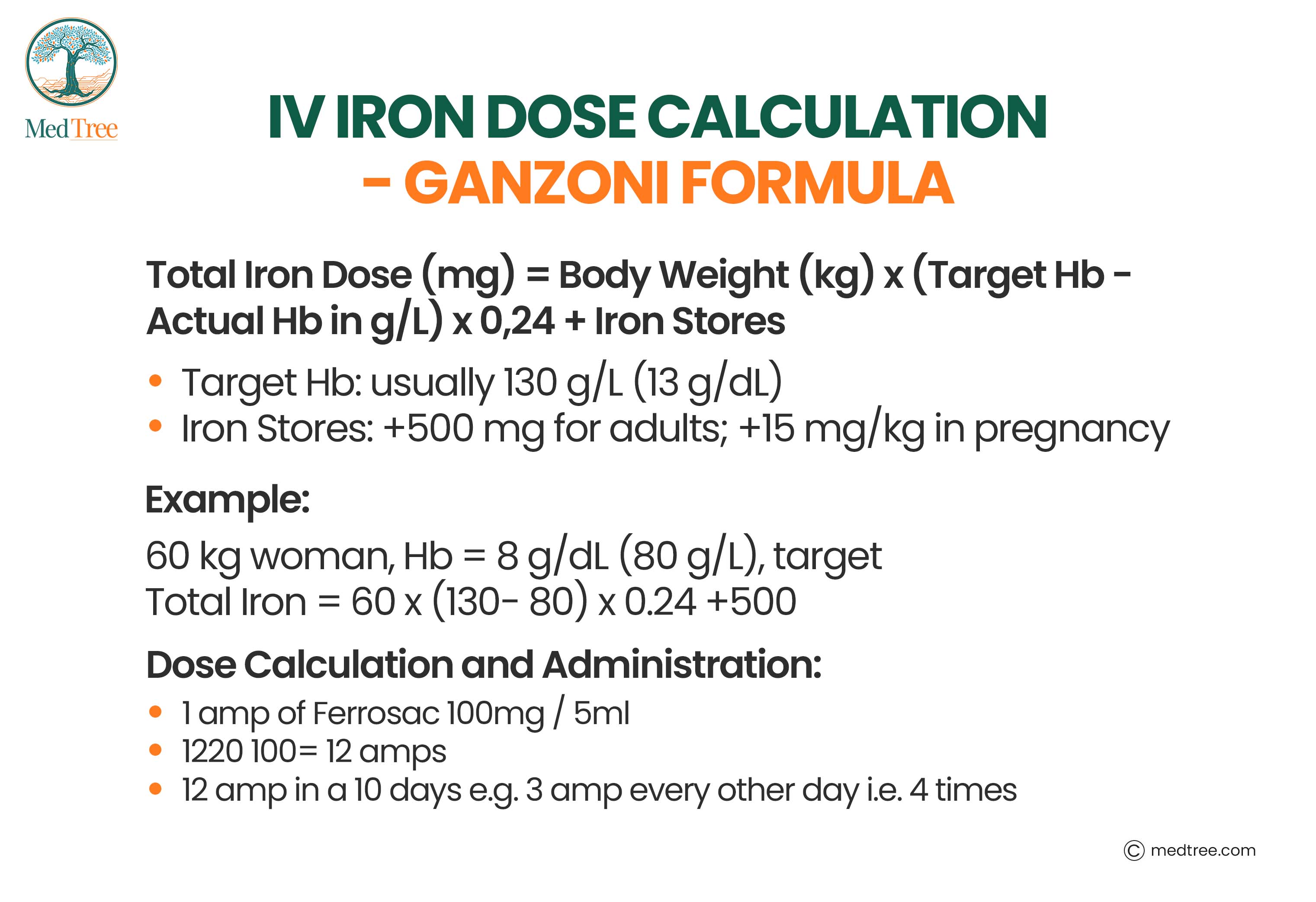
Total Iron Deficit (mg) = Body Weight (kg) × (Target Hb − Actual Hb) × 2.4 + Iron Stores
Breaking Down Each Component:
Body Weight (kg): Your current weight in kilograms. This scales the calculation to individual physiology.
Target Hemoglobin (g/dL): Usually 12–15 g/dL for women and 13.5–17.5 g/dL for men. Your doctor determines the specific target based on your condition and age.
Actual Hemoglobin (g/dL): Your current measured hemoglobin level from a blood test.
2.4 Multiplier: A constant derived from the molecular weight of hemoglobin and iron distribution. It represents how much elemental iron is needed per gram of hemoglobin deficit.
Iron Stores: Typically 500–1000 mg in healthy adults. This accounts for replacing depleted iron reserves, not just correcting anemia.
How to Calculate Iron Deficiency Step by Step?
Step 1: Obtain recent blood work showing hemoglobin level and hematocrit percentage.
Step 2: Determine your target hemoglobin with your healthcare provider.
Step 3: Calculate the hemoglobin deficit: Target Hb − Actual Hb
Step 4: Multiply the result by body weight (kg) and then by 2.4
Step 5: Add iron stores (typically 500 mg for reserve replenishment)
Step 6: Review with a healthcare provider to determine oral vs. intravenous delivery
Example Calculation
Patient Profile:
- Weight: 70 kg
- Current hemoglobin: 9 g/dL
- Target hemoglobin: 14 g/dL
- Iron stores: 500 mg
Calculation: Total Iron Deficit = 70 × (14 − 9) × 2.4 + 500 = 70 × 5 × 2.4 + 500 = 840 + 500 = 1,340 mg total iron needed
For oral iron: Typical doses deliver 60–120 mg elemental iron daily, requiring weeks to months of treatment.
For IV iron: Administration over days to weeks provides faster correction in severe cases.
Iron Replacement Therapy Options
Oral Iron Therapy:
- Ferrous sulphate, gluconate, or fumarate salts
- Takes 4–12 weeks for complete correction
- Better for mild to moderate deficiency
- Side effects include GI upset and constipation
Intravenous Iron Therapy:
- Preferred for severe anemia, intolerance, or malabsorption
- Faster results (days to weeks)
- Higher cost but more convenient dosing
- Requires medical supervision
Factors affecting choice include severity, cause, patient tolerance, and clinical urgency.
What are the Limitations of the Ganzoni Equation?
Despite being useful, the Ganzoni formula has important limitations:
- Assumes normal iron metabolism: May be inaccurate in chronic kidney disease, inflammatory conditions, or dysmetabolic states
- Doesn't account for ongoing losses: Chronic bleeding requires adjusted calculations
- Estimates iron stores: Actual stores vary considerably; serum ferritin is imperfect
- Clinical judgment is essential: Formula is a guide, not a replacement for medical expertise
The equation works best in straightforward iron deficiency anemia without complicating factors.
Key Takeaways
- The Ganzoni formula provides precise iron deficit calculations for treatment planning
- Knowing factors such as body weight, target hemoglobin levels, and iron stores is essential for ensuring accurate calculations.
- Both iron deficit calculator tools and manual calculation yield the same results when the inputs are correct
- Clinical context determines whether oral or IV iron replacement is appropriate
- Regular monitoring of hemoglobin and ferritin levels assesses treatment response
Frequently Asked Questions
Q: How do you calculate iron deficiency?
A: The standard way to calculate iron deficiency is using the Ganzoni formula. Add body weight, hemoglobin deficit, and the 2.4 multiplier, then add iron stores to get the score.
Q: What is the Ganzoni formula?
A: The Ganzoni formula includes
Total Iron Deficit = Body Weight × (Target Hb − Actual Hb) × 2.4 + Iron Stores
Q: How much iron replacement is needed?
A: This depends on your specific deficit, calculated using the Ganzoni equation, typically ranging from 500–2,500 mg.
Q: When is intravenous iron preferred?
A: Intravenous iron is preferred when patients cannot tolerate oral iron, have severe anemia, ongoing bleeding, or malabsorption disorders.
Q: Is the Ganzoni calculator accurate?
A: It's accurate for uncomplicated iron deficiency. However, it is less reliable with chronic disease, inflammation, or ongoing losses.
Q: Can an iron deficiency calculator replace medical advice?
A: No. These tools inform clinical decisions but never replace professional medical evaluation and monitoring.
Disclaimer
This blog is for educational purposes only and is not medical advice. Iron deficiency diagnosis and treatment, including use of the Ganzoni formula, must be done under medical supervision. Do not self-diagnose or change iron supplementation without consulting a qualified healthcare professional.
References
- Ganzoni, A. M. (1970). Intravenous iron dextran: Therapeutic and experimental possibilities. Seminars in Hematology, 10(3), 7-13.
- World Health Organisation. (2021). Guideline: Iron supplementation of adult non-pregnant women. WHO Publications.
- British Society for Haematology. (2012). Guidelines on the management of iron deficiency in women. British Journal of Haematology, 156(3), 326-346.
- Camaschella, C. (2019). Iron deficiency anemia. New England Journal of Medicine, 372(19), 1832-1843.
- National Institutes of Health. Iron Deficiency Anemia. U.S. National Library of Medicine.